21st Century Literature
21st century literature refers to a new literary work created within the last decade. It is written by contemporary authors which may deal with current themes/ issues and reflects a technological culture. It often breaks traditional writing rules.
Major Literary Genres
POETRY– is an imaginative awareness of experience expressed through meaning sound and rhythmic language choices to evoke an emotional response.
DRAMA– easton composition of prose or first presenting in dialogue or pantomime a story involving conflict or contrast of character spatially on intended to be acted on a stage.
FICTION– is literature created from the imagination , not presented as fact,though it may be based on a true story or situation period.
NON-FICTION– is based on the facts and the author’s opinion about a subject. The purpose of nonfiction writing is to inform and sometimes to persuade.
The early literary genres that were developed are still being studied and read until today . From these genres, as we live in the internet age and the continuous blooming of technology happens, literary genres continue to develop and grow, and they are not limited to the above mentioned. In addition, 21st century literature is in progress and thriving now along with the genres to be able to accommodate the present resources and lifestyle we have, especially for the students who now have a different learning process and resources.
21st Century Literature Genres
GRAPHIC NOVEL
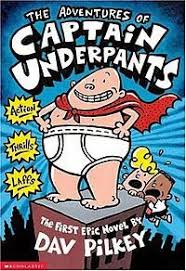
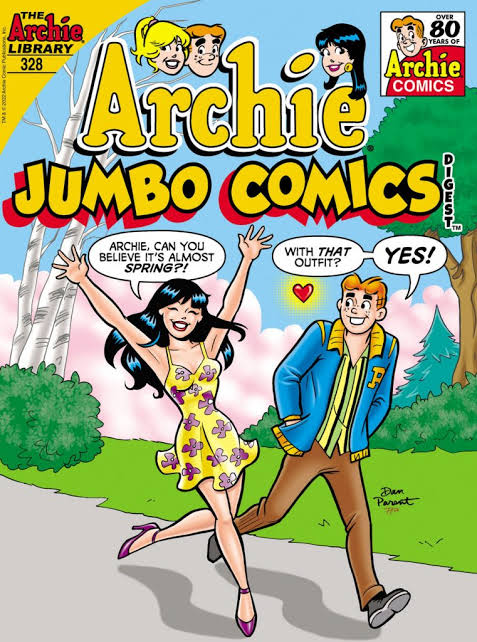
Graphic Novels are narrative and written in comic book formats. These novels can be employed in broad manner, encompassing non-fiction to fiction, from short to long
stories.
The Technical Elements of graphic novels:
• Panels.
• Gutter.
• Word/Speech balloons (thought and speech)
• Narration.
• Sound effects.
• Motion lines.
• Background colours
EXAMPLES
MANGA
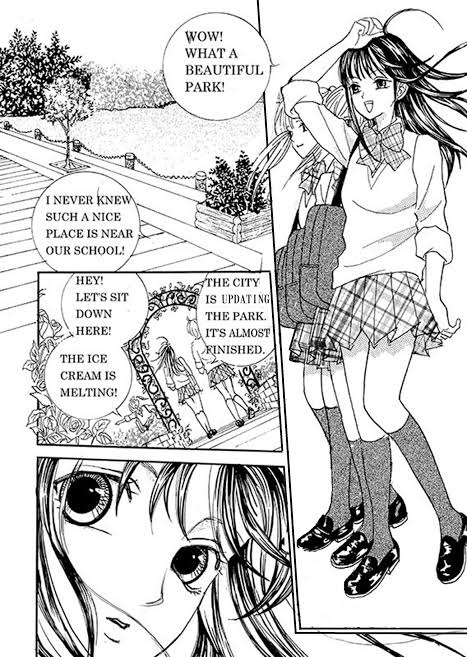
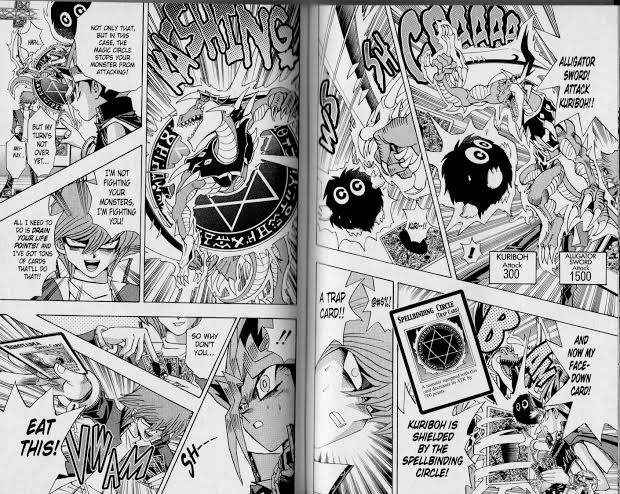
Manga, a Japanese word for comics, is a generic term for all comic books and graphic novels originally published in Japan
1. Panels, graphics, and symbols indicate
2. Graphic onomatopoeia expresses auditory and tactile information.
3. Qualities of texture and non-linguistic graphic symbols represent the characters’ movements.
4. Speech balloons develop dialogue.
5. Variation of panels in size, shape and number creates a literacy effect of “a grammatical block analogous to a conventional sentence”(McCaffery and Nichol, 2000) .
EXAMPLES
DOODLE FICTION
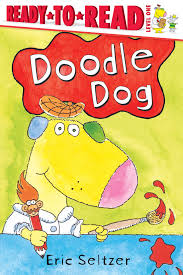
.Doodle-Fiction A literary presentation where the author incorporates doodle drawings and hand written graphics in place of traditional font. Drawings enhance the story, often adding humorous elements that would be missing if the illustrations were omitted.
EXAMPLES
SIMILARITIES
Drawings, illustrations, or graphics are used in all of these genres to communicate a story. This is only a basic definition of each genre. Doodle Fictions employ doodles to create a more hilarious and/or engaging impact, whereas Manga and Graphic Novels employ a comic book style. To be more specific, all of these designs incorporate images that effectively interest visitors. These are all from the twenty-first century. Each genre could not exist without the assistance of a computer or digital mechanics.
Manga and Graphic Novels, for the purposes of this discussion, are both in the comic book style, as previously stated. They employ panels with graphics and text to help readers grasp quickly. Doodle Fictions and Graphic Novels do not have to be from a certain country; as long as the literary work has aspects of or defines itself as these genres, it can be labeled as such.
DIFFERENCES
ELEMENTS
Although they have numerous elemental similarities, their most noticeable elemental differences are in visual style and storytelling. Doodle fictions use handwritten elements to compose the narrative and draw the illustrations. Manga visuals are drawn in a highly distinctive Japanese art style, and they are read from right to left. Elements of Manga are always unique to the Japanese. Culture, people, environment, behavior, and other aspects are examples of Japanese components. Doodle Fictions and Graphic Novels, on the other hand, can be from any country. Finally, graphic novels are drawn in an Americanized style and must be read from left to right.
STRUCTURE
Because both are in comic book style, the structural distinctions between Manga and Graphic Novels are minimal. Both include panels that separate one scene from another. They change their language and structure in the formality of the pieces in terms of text. The most noticeable structural change is in comparison to Doodle Fictions. Unlike Manga and Graphic Novels, Doodle Fictions are written in the style of a novel or tale book. Doodle fictions display both text and images in a manner similar to how articles are written, although comic book styles do not.
REFERENCES
https://manujoson.blogspot.com/2020/10/graphic-novel-manga-and-doodle-fiction.html?m=1
Introduction to World Literature

 21st CENTURY LITERATURE